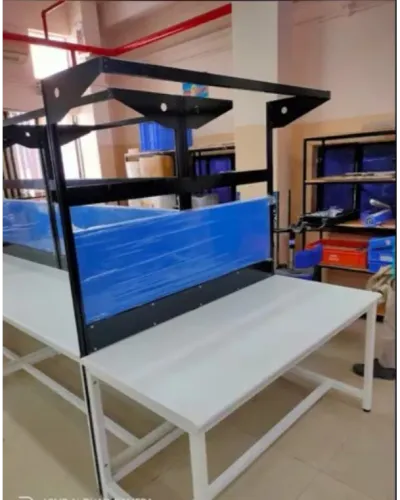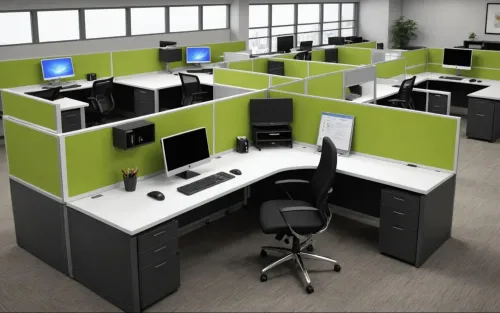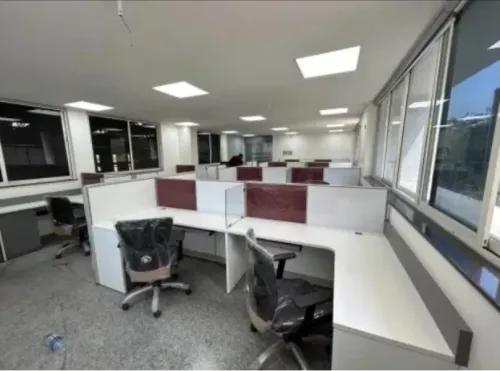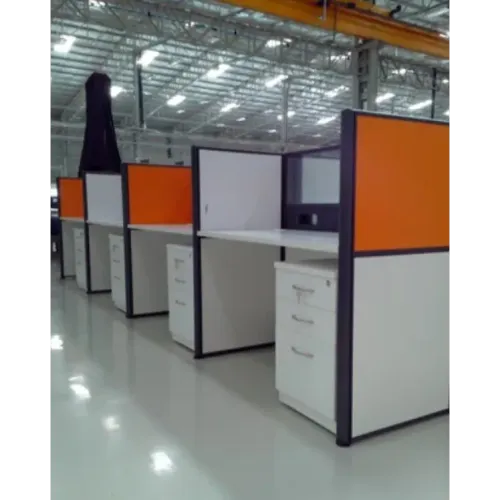
Quality inspection requires concentration, organised equipment, clear handling space, and a workstation suited to the inspection process. Selecting an Industrial Inspection Table without considering these details can create unnecessary movement and clutter around an important quality-control activity.
For industrial facilities in Talawade and the broader Pune manufacturing region of Maharashtra, the table should be specified according to what inspectors measure, examine, record, and handle during a normal shift.
Identify the Inspection Process
Different quality departments perform different tasks.
One facility may inspect machined components using gauges and measuring instruments. Another may examine electrical assemblies, packaging, fabricated parts, or finished products.
Before requesting a table, document:
- Typical component dimensions
- Component weight
- Measuring instruments used
- Computer or monitor requirements
- Documentation requirements
- Lighting needs
- Storage requirements
- Number of operators
- Material movement around the station
These details create a clearer manufacturing brief.
Worktop Dimensions Should Match the Task
A table that is too small can force measuring instruments and components into the same limited area. An unnecessarily large table can increase reaching distance and consume valuable production-floor space.
The worktop should provide separate practical zones for the component being inspected, instruments, and documentation where required.
Organise Measuring Equipment
Frequently used gauges and tools should have predictable locations.
Drawers, shelves, holders, or designated storage can reduce clutter and help protect equipment when it is not being used.
If computers are involved, monitor positioning and cable management should also be considered. Loose cables around an inspection area can make an otherwise organised station difficult to maintain.
Lighting Needs Attention
Some visual inspection tasks require appropriate task lighting in addition to general factory illumination.
Lighting requirements should be discussed early so that the table configuration can accommodate any necessary fixtures or mounting arrangements.
Look for Manufacturing Clarity
Before ordering, businesses should expect clear discussions around dimensions, structural requirements, materials, storage, accessories, and installation conditions.
Vedika Interior can evaluate inspection-table requirements according to the process and available industrial space.
For Talawade manufacturing businesses, choosing the right inspection table is primarily an exercise in understanding workflow. Prepare an accurate list of instruments, products, operator requirements, and environmental conditions before finalising the design.
When the table is designed around the inspection activity rather than treated as generic factory furniture, it can create a cleaner and more structured quality-control area.
Keywords