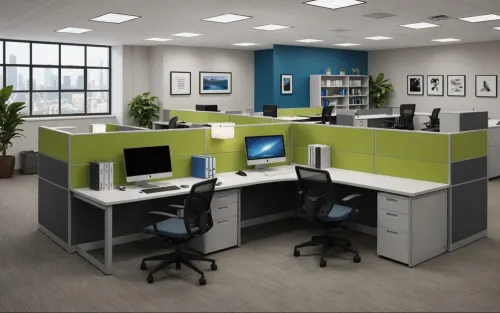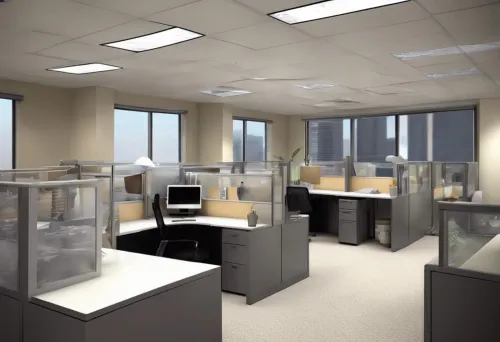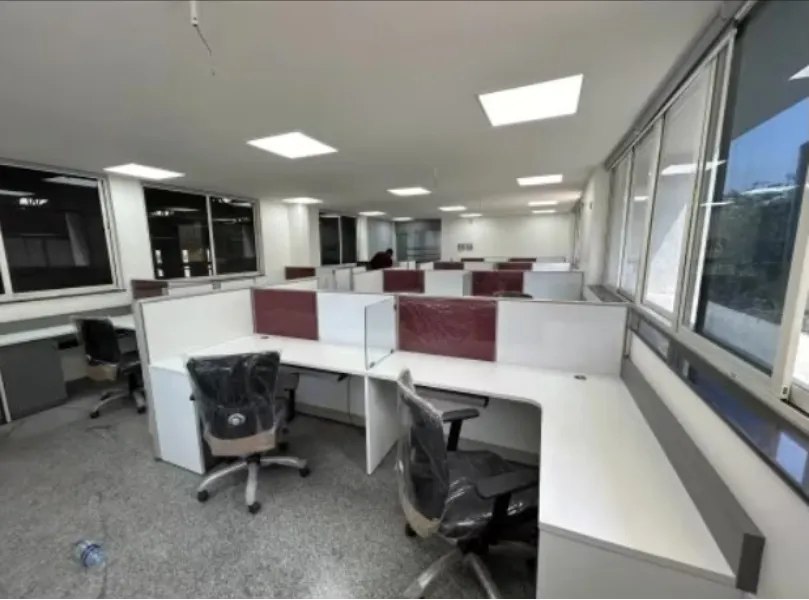
Two layouts may accommodate the same number of employees while producing completely different working environments. Businesses evaluating a Linear Office Workstation Manufacturer should therefore compare linear arrangements with cluster-based seating before finalising a floor plan.
For workplaces in Wagholi and the eastern Pune region, this choice can affect circulation, team interaction, infrastructure planning, and future seating flexibility.
Linear Layouts Create Orderly Rows
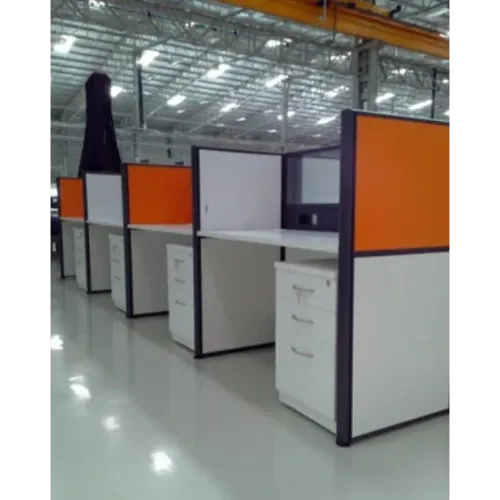
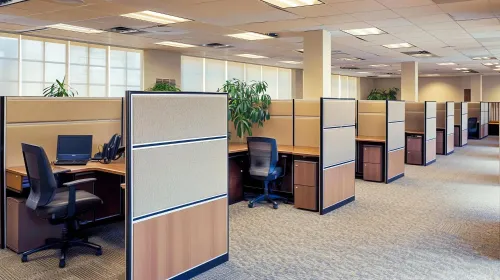
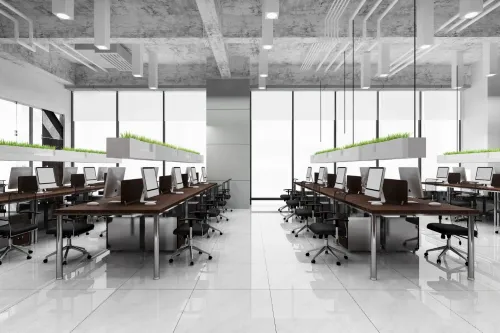
Linear workstations arrange employees along straight runs. They can be useful where teams perform similar tasks and require consistent desk sizes.
This arrangement often provides predictable circulation and can make planning electrical and data distribution more systematic.
Linear seating may suit:
- Back-office teams
- Customer support operations
- Administrative departments
- Technology teams
- Shared service functions
It can also make supervision and departmental zoning relatively straightforward.
Cluster Layouts Encourage Team Grouping
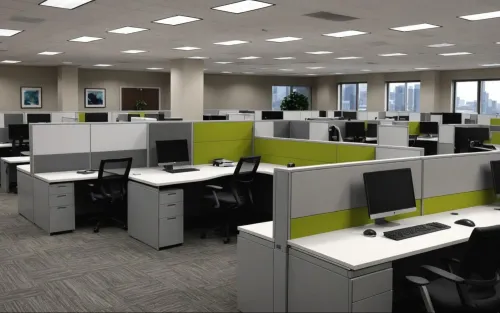
Cluster configurations place smaller groups of employees together, often with workstations facing or adjoining one another.
They may suit project teams that communicate regularly. Marketing, design, engineering, or cross-functional groups can sometimes benefit from this arrangement because colleagues remain visually and physically connected.
However, clusters need adequate space around their perimeter. Poor planning can produce awkward corners or congested circulation routes.
Compare the Layouts Against Workflow
Instead of asking which configuration looks more modern, consider how work moves through the department.
If employees perform mostly independent tasks and require concentrated screen time, organised linear seating may be appropriate.
If frequent team interaction is central to daily work, clustered arrangements may offer advantages.
Noise should also be considered. Greater visual connectivity can increase distraction for some roles, making partition selection important.
Infrastructure Can Influence the Decision
Floor boxes, wall sockets, data points, air-conditioning layouts, columns, and lighting can all influence workstation orientation.
Changing furniture direction without checking infrastructure may lead to longer cable routes or inconvenient power access.
Vedika Interior can assess workstation configurations against available floor dimensions and functional requirements before manufacturing decisions are finalised.
For businesses in Wagholi, Pune, Maharashtra, neither linear nor cluster seating is universally superior. The better layout is the one that supports employee responsibilities while maintaining practical movement and infrastructure access.
A useful evaluation is to compare both options on a scaled floor plan. Review seating capacity, aisle width, electrical access, team relationships, storage, and expansion possibilities. That comparison provides a stronger basis for choosing a workstation configuration than appearance alone.
Keywords