Businesses furnishing a new workplace often face an early decision: install separate conventional desks or choose a modular workstation system. Comparing these options before approaching a Modular Office Workstation Manufacturer can help organisations avoid furniture choices that become restrictive as teams grow.
This question is especially relevant in Hinjewadi, Pune, where technology companies, service businesses, startups, and corporate teams frequently need workplace layouts that can respond to changing headcounts.
Conventional Desks Offer Simplicity
Individual desks are straightforward. They can work well for private cabins, small offices, or teams where employees need independent furniture arrangements.
They may also be easy to move individually.
The challenge appears when dozens of separate desks need to function as one coordinated workplace. Inconsistent dimensions can create wasted gaps, complicated cable routing, irregular passages, and an unplanned overall appearance.
Modular Workstations Focus on Coordination
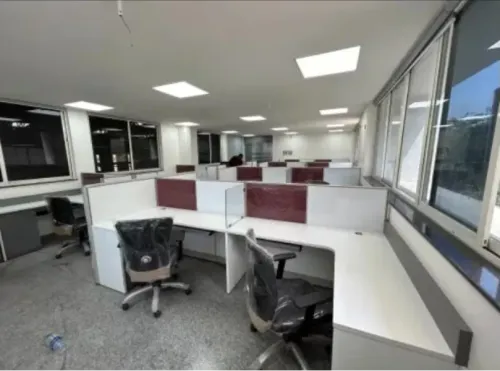
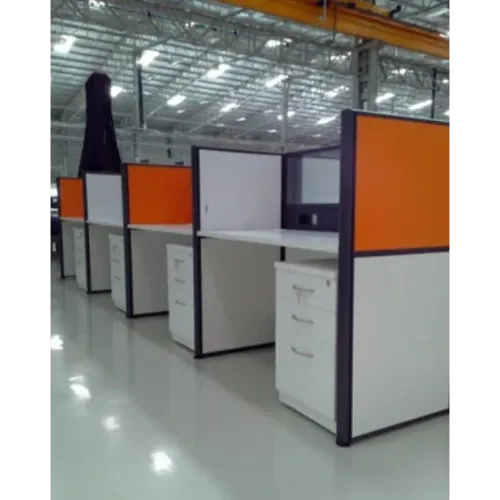
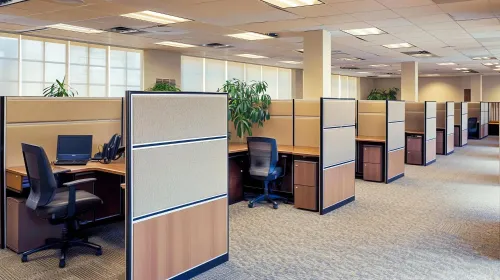
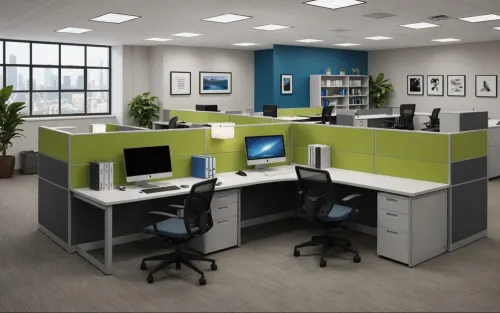
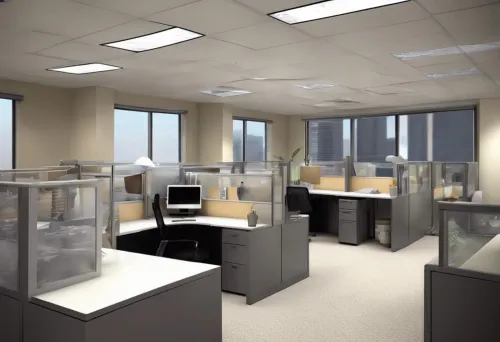
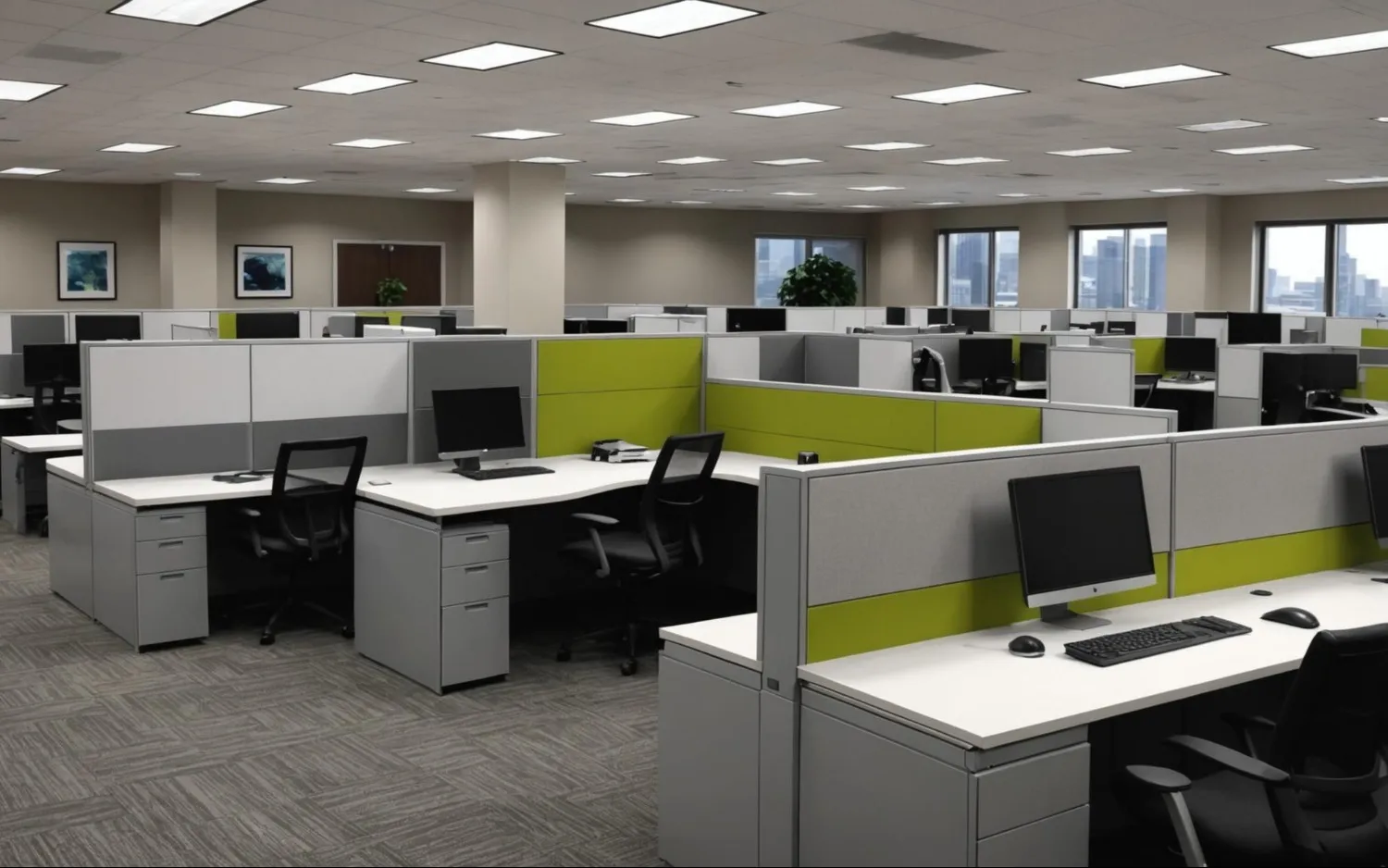
Modular systems are designed as connected or repeatable furniture configurations. This can make it easier to create organised rows, clusters, shared partitions, and consistent workstation dimensions.
Potential advantages include:
- More systematic space utilisation
- Consistent workplace appearance
- Coordinated cable management
- Easier departmental grouping
- Integrated partition options
- Planned storage
- Greater layout consistency
These benefits depend heavily on planning. A poorly designed modular layout can still feel congested.
Which Option Supports Expansion Better?
Consider what happens if a 30-person team becomes a 45-person team.
With conventional furniture, additional desks may differ in size or finish from the originals. Modular furniture may provide greater consistency if the original system and future requirements have been considered carefully.
Before deciding, organisations should estimate expected staffing changes over the next few years. They should also consider whether teams are likely to be reorganised.
Compare Total Value, Not Furniture Count
A lower initial furniture price does not necessarily represent better long-term value.
Businesses should consider space efficiency, installation, electrical coordination, cable management, storage, future additions, maintenance, and potential reconfiguration.
Vedika Interior works with workstation requirements where businesses can evaluate configurations according to office dimensions and operational needs.
For companies establishing or expanding workplaces in Hinjewadi and the wider Pune region of Maharashtra, the choice between modular systems and conventional desks should depend on organisational structure rather than design trends.
Conventional desks can remain suitable for smaller or highly individualised environments. Modular workstations often become more practical when businesses need repeated seating, organised infrastructure, and a consistent system capable of supporting larger teams.
Keywords