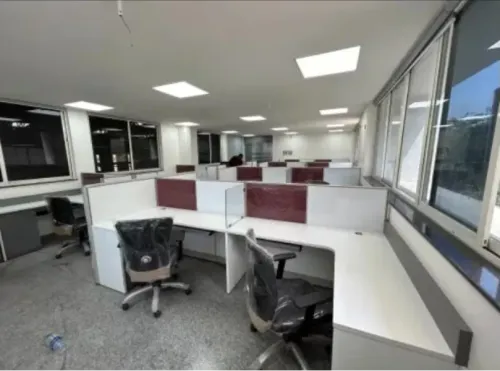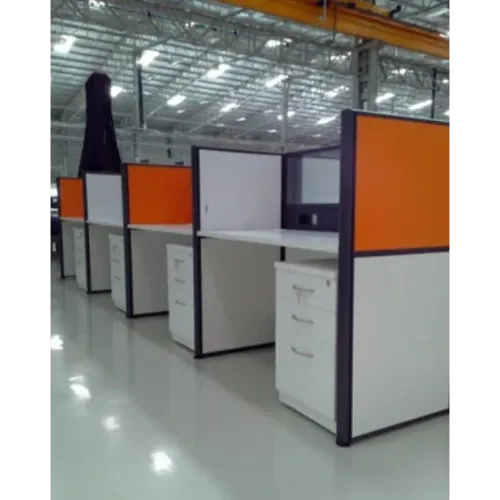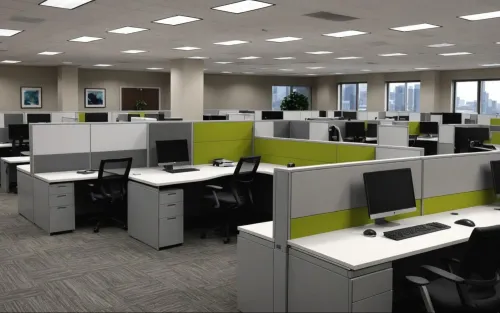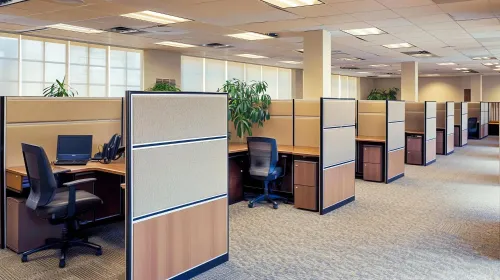
Manufacturing environments demand precision, consistency, and quality at every stage of production. Whether it's component assembly, quality control, testing, or final product verification, having the right workspace can significantly improve operational efficiency. This is where an industrial inspection table becomes an indispensable part of the production process.
For manufacturers in Pimpri-Chinchwad, one of Maharashtra's leading industrial hubs, selecting the right inspection table is about more than durability—it's about creating a workspace that supports accuracy, employee comfort, and streamlined workflows.
Why an Industrial Inspection Table Matters
Inspection is one of the most critical stages in manufacturing. Even minor defects can lead to product failures, customer complaints, or costly rework.
A dedicated inspection table provides a structured workspace for:
- Visual quality checks
- Dimensional inspections
- Product testing
- Assembly verification
- Packaging inspection
- Documentation and reporting
By creating an organized inspection area, businesses can improve quality standards while reducing operational bottlenecks.
Features That Define a High-Quality Industrial Inspection Table
Not every workbench is suitable for inspection work. A purpose-built inspection table should include features designed for industrial applications.
Robust Construction
Industrial environments require furniture that withstands continuous daily use.
Look for:
- Heavy-duty steel frames
- Reinforced structural supports
- Corrosion-resistant finishes
- High load-bearing capacity
These features ensure stability during inspection activities.
Durable Work Surface
The tabletop should resist wear caused by tools, components, and repeated cleaning.
Popular surface materials include:
- Laminated industrial boards
- Stainless steel tops
- Anti-static work surfaces
- Chemical-resistant laminates
The ideal material depends on the nature of your manufacturing process.
Ergonomic Design
Employees performing inspections often spend several hours standing or sitting at the workstation.
An ergonomic design helps reduce fatigue by providing:
- Comfortable working height
- Sufficient legroom
- Rounded edges
- Easy access to inspection tools
- Proper lighting compatibility
Improved ergonomics often lead to greater inspection accuracy and employee productivity.
Optional Accessories That Improve Efficiency
Modern inspection tables can be customized with useful additions such as:
- Drawer units
- Tool storage panels
- Adjustable shelves
- Lighting fixtures
- Electrical sockets
- Cable management systems
- Document holders
- Bin storage solutions
These accessories help maintain an organized workstation while reducing unnecessary movement.
Choosing the Right Table for Your Industry
Different industries have different inspection requirements.
Industrial inspection tables are widely used in:
- Automotive manufacturing
- Electronics production
- Pharmaceutical facilities
- Engineering workshops
- Plastic component manufacturing
- Aerospace suppliers
- Packaging industries
Understanding your production workflow helps determine the ideal table configuration.
Factors to Evaluate Before Purchasing
Before selecting an inspection table, consider:
- What products will be inspected?
- What is the expected load capacity?
- Will the workstation require electrical equipment?
- Is mobility necessary?
- Will operators work while standing or sitting?
- Is future customization required?
Answering these questions ensures the workstation aligns with operational needs.
The Value of Custom Manufacturing
Standard inspection tables may not always fit specialized production environments. Custom-built solutions allow manufacturers to specify dimensions, storage options, tabletop materials, and accessory placements according to workflow requirements.
This results in greater efficiency and better utilization of available floor space.
Supporting Manufacturing Growth in Pimpri-Chinchwad
Pimpri-Chinchwad is home to a wide range of automotive, engineering, and industrial companies that rely on efficient production systems. As manufacturing processes become increasingly quality-focused, investing in purpose-built inspection workstations becomes a practical necessity rather than an optional upgrade.
Manufacturers such as Vedika Interior provide customized industrial inspection tables designed to suit different production environments. Choosing a solution that prioritizes durability, ergonomics, and workflow efficiency can help businesses strengthen their quality control processes while supporting long-term operational performance.
Keywords